Educational Videos
Medications
Addiction
Narcan® Nasal Spray (Naloxone)
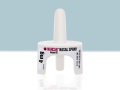
This drug is a nasal spray used for the fast treatment of opioid overdose. It reverses the effects of opioids for a short time. It can be given to people who are passed out and having breathing problems because of an overdose of opioids. It can wake them up and get them breathing again.

If you control pain with an opioid prescription, you may have been warned about the dangers of misuse. But what is misuse, exactly? Let’s take a few minutes to learn about opioid misuse and how to avoid it.

Opioids are a powerful class of drugs. They can control severe pain. But many people who use opioids experience some side effects. You should be aware of these side effects so you can use these drugs safely.
Opioids (Physical Dependence and Addiction)

Opioids are a class of powerful drugs. They can block pain signals, and they can help control severe pain. But they can be dangerous. Over time, you may find it hard to stop taking opioids. And some people become addicted to the drugs.

Lately, something just doesn’t seem right. You think your loved one could be abusing opioids. But how can you tell? Keep an eye out for these subtle signs of opioid abuse.
General Info
Medical Marijuana (Medical Cannabis)

This is a name we give to marijuana products used to treat medical conditions. Marijuana is a drug and it comes from the Cannabis sativa plant. U.S. federal law outlaws it. But many states allow you to use it for medical reasons. In these states, your doctor can give you permission.

Opioids are powerful drugs. They control severe pain. But they can be dangerous or even life threatening if used incorrectly. Follow these guidelines for safe use.
Neurological

This prescription drug helps controls seizures in people who have epilepsy. We also use it to treat the pain of shingles and to treat restless legs syndrome. Gabapentin is in a class of drugs we call “anticonvulsants.”
Pain Management

This is the most commonly used nonsteroidal anti-inflammatory drug. You don’t need a prescription for ibuprofen unless your doctor wants you to take a high dose.

Opioids are a class of powerful drugs. They can control severe pain. Oxycodone, hydrocodone, and codeine are examples of prescription opioids. So are morphine and fentanyl.
Opioids and Chronic Pain Management

Opioids are a powerful class of drugs. They can control severe pain. But they often aren’t recommended for many types of chronic pain. That’s because their long-term use can cause your body to begin to depend on them.
Neurological
Care and Management
Neurosurgery
Spine Surgery
Spinal Fusion and Stabilization Procedures
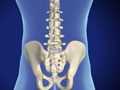
This procedure is used to implant specialized bolts through the facet joints of two or more vertebrae, locking the vertebrae together and stabilizing the spine. The US Spine Facet Fixation System™ uses smaller incisions than a traditional open fusion surgery, allowing for less tissue damage, reduced blood loss, and a shorter recovery time.
Kyphoplasty (Balloon Vertebroplasty)
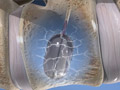
This minimally-invasive procedure repairs a vertebral compression fracture. It helps restore the spine’s natural shape. Some patients experience rapid pain relief after the procedure.
Spinal Nerve Decompression
Interspinous Process Decompression (X STOP®)
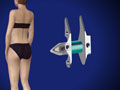
In this minimally-invasive outpatient procedure, usually performed under local anesthesia and sedation, a titanium alloy device is implanted to relieve back pain and numbness in the legs caused by lumbar spinal stenosis. This procedure is an alternative to laminectomy or spinal fusion.
Conditions
Spine and Peripheral Nerve Conditions
Compression Fractures of the Spine
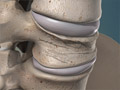
This is a collapse of vertebral bone. It can affect one or more vertebrae. Compression fractures typically develop in your mid or lower back. This can change the shape of your spine.
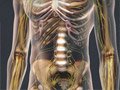
This condition is a weakening of one or more vertebral discs, which normally act as a cushion between the vertebrae. This condition can develop as a natural part of the aging process, but it may also result from injury to the back.
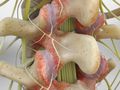
This is a problem with the facet joints of the spine. These are the joints where one vertebra connects to another. They support your spine, while allowing it to bend and twist. With this syndrome, these joints become stiff and painful.
Lumbar Radiculopathy (Sciatica)
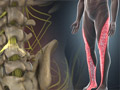
This condition is an irritation or compression of one or more nerve roots in the lumbar spine. Because these nerves travel to the hips, buttocks, legs and feet, an injury in the lumbar spine can cause symptoms in these areas. Sciatica may result from a variety of problems with the bones and tissues of the lumbar spinal column.

This condition, also called “failed back surgery syndrome,” is a type of chronic pain. It can develop in some people after spine surgery.
Orthopedics
Care and Management
Non-Surgical Techniques
Ablation, Laser and Ultrasonic Techniques
Basivertebral Nerve Ablation (BVN)
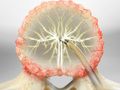
This procedure treats a painful nerve in one of your vertebrae (those are the bones that make up your spine). The nerve is heated to stop it from sending pain signals. We do this for pain that doesn’t go away with other treatments.
Prevention, Recovery and Daily Living

Low back pain can cause problems that ripple through every part of your life. You don’t do a lot of the things you enjoy because it just hurts too much. But there is hope. Here are some tips to help you manage your pain.
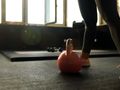
This type of exercise focuses on developing muscles and burning calories. It’s an important part of any overall fitness plan. It’s especially helpful as we age, because our bodies weaken as we grow older. Let’s take a moment to learn more.
Surgical Procedures
Head, Neck, Spine and Ribs
Fusion and Stabilization Procedures
Sacroiliac Joint Fusion (Rialto™ SI Fusion System)
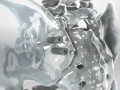
If you have a painful damaged or diseased sacroiliac joint (we call it the “SI” joint), a fusion may help. With the Rialto SI Fusion System, your surgeon uses titanium implants to join your hip’s ilium bone to the spine’s sacrum. This may relieve pain associated with SI joint dysfunction or SI joint disease.
Motion Preservation Procedures
Interspinous Process Decompression (X STOP®)
In this minimally-invasive outpatient procedure, usually performed under local anesthesia and sedation, a titanium alloy device is implanted to relieve back pain and numbness in the legs caused by lumbar spinal stenosis. This procedure is an alternative to laminectomy or spinal fusion.
Superion® InterSpinous Spacer (Vertiflex)
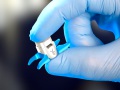
This is an implant that lifts and separates your vertebrae. It’s used to treat lumbar spinal stenosis. That’s a narrowing of the space around your spinal nerves in your lower back. The Superion implant makes more room for these nerves, relieving painful compression.
Pain Management
Care and Management
Diagnostic Tests
MRI (Magnetic Resonance Imaging)
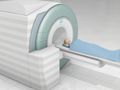
This scan lets doctors see inside your body without using radiation. Instead, MRIs use magnets and radio waves. An MRI shows clear views of your soft tissues. It can show cancer and other problems.

This simple test measures how quickly electrical signals move through a nerve in your body. We do it to make sure your nerve is working properly. If you have a compressed nerve or some other form of nerve damage, this test helps us learn more about the problem.
Minimally Invasive Surgeries
Dorsal Root Ganglion Stimulation Therapy (DRG Stimulation)
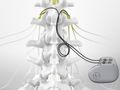
This treats chronic pain in your trunk or legs. It uses electrical pulses to disrupt pain signals as they pass through your spinal nerves. It may reduce your need for pain medications. Here’s how it works.
Mild® Procedure (Vertos Medical)
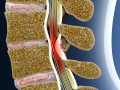
This procedure treats lumbar spinal stenosis. That’s a narrowing of the space around the spinal nerves in your lower back. The mild procedure makes more room for these nerves, relieving painful compression.
Spinal Cord Stimulation (Boston Scientific)
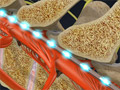
Spinal cord stimulation (also called SCS) uses electrical impulses to relieve chronic pain of the back, arms and legs. It is believed that electrical pulses prevent pain signals from being received by the brain. SCS candidates include people who suffer from neuropathic pain and for whom conservative treatments have failed.
Spinal Cord Stimulator Implant
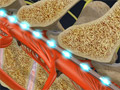
Spinal cord stimulation (also called SCS) uses electrical impulses to relieve chronic pain of the back, arms and legs. It is believed that electrical pulses prevent pain signals from being received by the brain. SCS candidates include people who suffer from neuropathic pain and for whom conservative treatments have failed.
Spinal Cord Stimulator Implant (Trial Procedure)
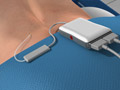
Spinal cord stimulation (also called SCS) uses electrical impulses to relieve chronic pain of the back, arms and legs. It is believed that electrical pulses prevent pain signals from being received by the brain. SCS candidates include people who suffer from neuropathic pain and for whom conservative treatments have failed.
Non-Surgical and Rehabilitation Techniques
Ablation, Laser and Ultrasonic Techniques
Basivertebral Nerve Ablation (BVN)
This procedure treats a painful nerve in one of your vertebrae (those are the bones that make up your spine). The nerve is heated to stop it from sending pain signals. We do this for pain that doesn’t go away with other treatments.
Cervical Facet Radiofrequency Neurotomy
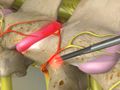
This procedure uses heat from radio waves to treat painful facet joints in your neck. It eases pain that isn’t helped by medications or physical therapy.
Genicular Nerve Ablation (RF Neurotomy)
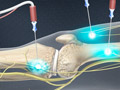
During this outpatient procedure, the physician uses a radiofrequency device to heat up and disrupt the genicular nerves. These are the sensory nerves that transmit pain signals from the knee to the brain. Disrupting these pathways can provide long term relief from knee pain.
Radiofrequency Ablation (RFA) for Pain
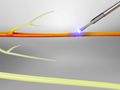
This simple procedure treats chronic pain. It involves heating part of a nerve to block its pain signals. Radiofrequency ablation can give you long-term pain relief.
Radiofrequency Neurotomy of the Lumbar Facets
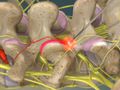
This procedure uses heat from radio waves to treat painful facet joints in your lower back. It eases pain that isn’t helped by medications or physical therapy.
Epidural Injections
Caudal Epidural Steroid Injection
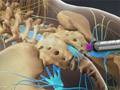
This outpatient procedure is an injection of a steroid-anesthetic medication through an opening in the sacrum. The medication can reduce swelling and inflammation of irritated spinal nerves. The injection takes only a few minutes to complete.
Epidural Steroid Injection (ESI) in the Cervical Spine
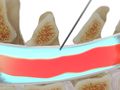
This injection treats the pain of an inflamed nerve in your cervical spine. It relieves nerve swelling. If you have a herniated disc, spinal stenosis or some other problem that’s pressing on a nerve, it may help you.
Lumbar Epidural Steroid Injection
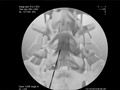
This injection procedure is performed to relieve low back and radiating leg pain. Steroid medication can reduce the swelling and inflammation caused by spinal conditions.
Lumbar Transforaminal Epidural Steroid Injection
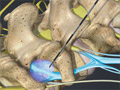
This outpatient procedure is an injection of a steroid-anesthetic medication. The medication can reduce swelling and inflammation of irritated spinal nerves. This procedure is performed to relieve pain in the lower back and pain that radiates from the back to the legs. The injection takes only a few minutes to complete.
Spinal Epidural for Hip and Lower Extremity
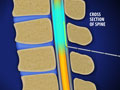
This procedure uses an injection of anesthesia to numb the hips and lower extremities in preparation for a medical procedure. The patient remains awake and alert, and still has the ability to offer feedback to the operating physician.
Nerve Blocks
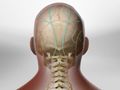
This injection treats one or both greater occipital nerves. These nerves branch out from the spine in your neck. They supply feeling to your scalp at the top of your head and over your ears. A greater occipital nerve block manages pain and some types of headaches linked to these nerves.
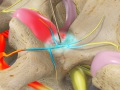
This is an injection of numbing medicine. It bathes the medial branch nerves, which attach to the facet joints of your spine. These nerves hurt when facet joints are injured or diseased. The injection helps find the source of your pain. And it may relieve your pain for a brief time.
Pain-Relief Injections
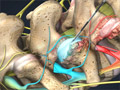
The facet joints, found on both sides of the back of the spine, can become painfully irritated or inflamed. A facet joint injection may help diagnose the source of a patient’s pain. It can also relieve pain and inflammation.
Hip Joint Injection (Ultrasound or Fluoroscopic Method)
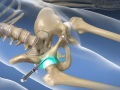
If you have pain in your hip, your doctor may inject medicine into your hip joint. It can help your doctor find where your pain is coming from. It can also make your hip feel better.
Steroid Injection for Trochanteric Bursitis of the Hip
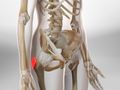
This injection treats a painful inflammation of a fluid-filled sac (called a “bursa”) in your hip. You have these sacs throughout your body. They create a cushion between bones and soft tissues. The specific bursa we’re treating is the “trochanteric” bursa. It’s found on the outer side of your femur.
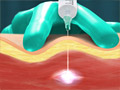
This outpatient procedure is designed to reduce or relieve the pain of trigger points. These small, tender knots can form in muscles or in the fascia (the soft, stretchy connective tissue that surrounds muscles and organs). The trigger point injection procedure takes only a few minutes to complete.
Ultrasound-Guided Injection for Knee Pain
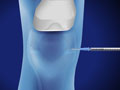
This non-operative, outpatient procedure is designed to provide relief for patients with arthritis of the knee. The technique allows the physician to inject an inflammation-reducing steroid with maximum accuracy.
Ultrasound-Guided Injection for Shoulder Pain
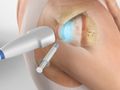
This is an injection of medicine. It targets pain in the shoulder from conditions like osteoarthritis, rheumatoid arthritis and adhesive capsulitis. This injection can help your doctor find the source of your pain. It can also relieve your pain.
Prevention, Recovery and Daily Living

We all know exercise is important for good health. But if you live with chronic pain, exercising can be hard. Pain often robs you of motivation. Some exercises may be too painful. But even with chronic pain, most people can exercise safely.

If you have pain that lasts for more than six months, you have “chronic” pain. It’s different from the temporary pain you feel when you hurt yourself. With chronic pain, you may not know why you are hurting. Your pain may affect your whole body and your mind, causing problems that ripple through every part of your life. But there is hope. Here are some tips to help you manage chronic pain.
Living With Peripheral Neuropathy

If you have peripheral neuropathy, you know how frustrating it can be. It keeps you from doing many of the things you enjoy. It can affect your emotional well-being. But don’t lose hope. There are things you can do to get some relief.
Managing Chronic Pain as You Age

As your body gets older, you may develop problems that cause long-lasting pain. Things like arthritis, nerve problems and issues with your blood vessels can really impact your quality of life. So let’s learn about some ways you can manage your pain.
Low back pain can cause problems that ripple through every part of your life. You don’t do a lot of the things you enjoy because it just hurts too much. But there is hope. Here are some tips to help you manage your pain.

We all have stress in our lives. But too much stress is bad for your health. It can hurt your mind and your body. Let’s look at proven ways to cope with stress.
Conditions
General and Systemic Conditions

This chronic condition is believed to be a type of interference with the way your brain processes pain signals. It leaves you highly sensitive to pain. If you have this condition, you may feel long-lasting pain throughout your body.

Joint pain is a common problem for many people. It can keep you from doing the things you want to do. It can make it hard for you to be as active as you like. Let’s take a moment to learn about the causes of joint pain, and what you can do about it.
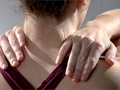
This is a chronic pain disorder. It affects the muscles and the connective tissue (called the “fascia”) that surrounds them. With this syndrome, you may develop sensitive areas on your body called “trigger points.” When these places are pressed or stressed, you feel pain. This condition can affect muscles throughout your body.
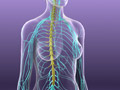
This condition is a problem with the peripheral nervous system. These are the nerves that branch out from your brain and spinal cord and travel to all of the other parts of your body.
Head, Neck, and Spine
Adjacent Segment Disease (ASD)
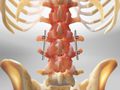
This is a problem you can develop after spinal fusion. It happens when the vertebrae above and below the fusion become weak and damaged. We say they “degenerate.” And as they degenerate, more vertebrae are at risk for harm.
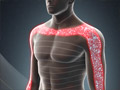
This condition is an irritation or compression of one or more nerve roots in the cervical spine. Because these nerves travel to the shoulders, arms and hands, an injury in the cervical spine can cause symptoms in these areas. Cervical radiculopathy may result from a variety of problems with the bones and tissues of the cervical spinal column.
Compression Fractures of the Spine
This is a collapse of vertebral bone. It can affect one or more vertebrae. Compression fractures typically develop in your mid or lower back. This can change the shape of your spine.
This condition is a weakening of one or more vertebral discs, which normally act as a cushion between the vertebrae. This condition can develop as a natural part of the aging process, but it may also result from injury to the back.
This is a problem with the facet joints of the spine. These are the joints where one vertebra connects to another. They support your spine, while allowing it to bend and twist. With this syndrome, these joints become stiff and painful.
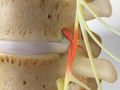
Between the vertebrae of your spine are soft discs. They let your spine twist and bend. They absorb shocks. But if damaged, the disc’s soft center can push through the disc wall. That’s a herniated disc. This bulge presses against nerves in your spine.
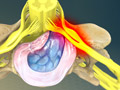
This condition is a rupture of one of the vertebral discs in your neck. A herniated disc can allow disc material to press harmfully against the spinal nerves.

If you have back or neck pain that doesn’t go away, you may have osteoarthritis of the spine. Osteoarthritis is the most common form of arthritis. For many of us, it develops slowly as we age. And it can keep you from being as active as you like.
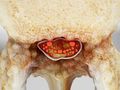
Your spinal nerves travel through your spinal canal and exit through openings we call “foramen.” If any of these spaces are too narrow, your nerves become compressed. We say you have “spinal stenosis.” It’s a problem that most often happens in the neck and lower back.
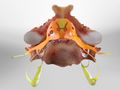
This problem affects the spinal nerves in your neck. It’s a narrowing of the spinal canal. That’s the space your spinal nerves travel through. In a healthy spine, the spinal canal protects these nerves. It keeps them free from injury. But with spinal stenosis, the spinal canal is too narrow, and your nerves get compressed.
Spondyloarthritis (Spondyloarthropathy)

This is a name we give to a group of arthritis diseases. They cause inflammation in your spine and other joints and can lead to chronic pain.
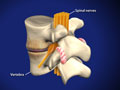
This is a form of spine degeneration that happens to most people as they get older. It can affect any level of your spine from your neck to your lower back. And it can lead to pain and other issues. Let’s take a moment to learn more.
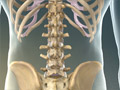
Lower back pain is a common problem that severely impacts the quality of your life. It can limit your ability to be active. It can cause you to miss work. Many different causes may lead to pain in your lower back.
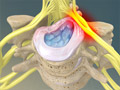
Neck pain is a common problem that severely impacts the quality of your life. It can limit your ability to be active. It can cause you to miss work. Many different causes may lead to pain in your neck.
Shoulder, Arm, and Elbow
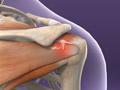
The rotator cuff muscles and tendons hold your upper arm bone in your shoulder socket. A hard fall, repetitive arm motions or problems with the structure of your shoulder can injure the rotator cuff.
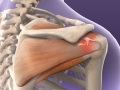
The rotator cuff is a group of muscles and tendons in each shoulder. It holds your upper arm bone in your shoulder socket. It keeps your arm stable while allowing it to lift and rotate. Too much stress on the rotator cuff can cause a tear. This can be a painful injury.
General Education
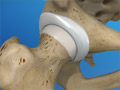
The hip joint is one of the largest weight-bearing joints in the body. This ball-and-socket joint allows the leg to move and rotate while keeping the body stable and balanced. Let’s take a closer look at the main parts of the hip joint’s anatomy.
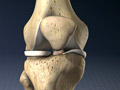
The knee is the body’s largest joint. It’s the place where three bones meet: the tibia, the femur and the patella. The knee is a “hinge” joint. It allows the leg to bend in one direction only. Let’s take a closer look at the main parts of the knee’s anatomy.
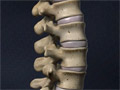
The spinal column is the body’s main support structure. Its thirty-three bones, called vertebrae, are divided into five regions: cervical, thoracic, lumbar, sacral and coccygeal.
Interventional Pain Management

If you live with pain that won’t go away, you know how frustrating it can be. Interventional pain management is a branch of medical care that can help. Specialists in this field find the cause of your pain. They treat it at its source. This can give you a better quality of life.

If you suffer from pain, you know how hard it can be to live with. Pain management is a branch of medical care that specializes in pain control. It can help you enjoy a better quality of life.